
After a long, tedious day at work, the desire to switch off and reclaim your evening is universal. For many young professionals navigating Nigeria’s bustling cities or quieter towns, the challenge often lies in balancing limited time, energy, and personal responsibilities. Yet, how you spend those post-work hours can significantly influence your wellbeing, mood, and readiness for the day ahead.
When the workday feels draining rather than fulfilling, it’s tempting to collapse into passive distractions like scrolling on your phone or binge-watching TV. While these can offer temporary relief, they may do little to restore your energy or improve your outlook. Instead, focusing on deliberate, manageable activities can help you reset effectively.
Practical Steps to Recharge After Work
1. Create a Transition Ritual
Changing your mindset from work to personal time can be helped by a small ritual. This might be playing your favourite music on the commute home, a few minutes of mindful breathing, or a short walk around your neighbourhood. These help signal to your brain that the workday has ended and it’s time to switch gears.
2. Prioritise Movement
Physical activity releases endorphins and can lift mood, even after a sluggish day. If a long workout feels too much, consider stretching, yoga, or a gentle stroll. Even 10 to 15 minutes can help ease muscle tension accumulated from sitting at a desk.
3. Connect with Others Meaningfully
Whether it’s a quick phone call to a friend or spending time with family, social connections nourish emotional wellbeing. Sharing your day in a safe space can help process frustrations and remind you you’re not alone. Aim for quality over quantity—genuine connection rather than social obligation.
4. Nourish Your Body
A balanced, satisfying meal can restore both energy and mood. It doesn’t need to be complicated—simple, wholesome food with the nutrients your body needs can make a difference in recovery.
5. Set Boundaries with Digital Devices
Constant pings and notifications can extend work stress into your home life. Try setting specific ‘no screen’ periods, especially during dinners or before bed. This helps reduce mental clutter and improves sleep quality.
Examples from Everyday Life
Consider Ngozi, who found that after hectic workdays in Lagos, practising just 10 minutes of deep breathing before her commute home helped reduce anxiety buildup. She also started cooking simple one-pot meals, which felt therapeutic and gave her a creative outlet apart from work.
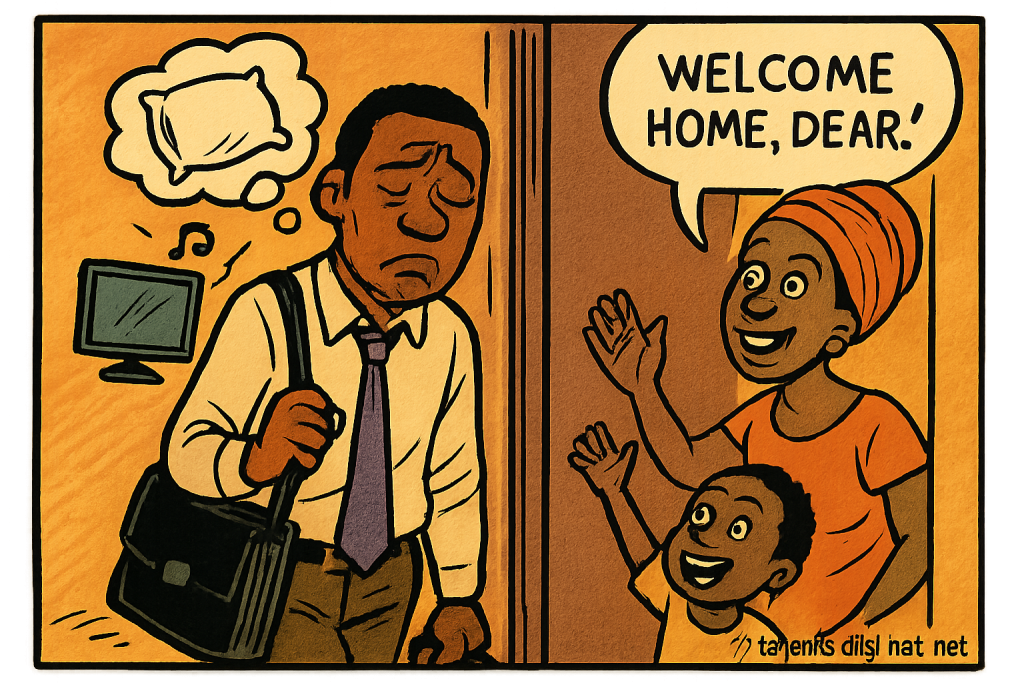
Or look at Tunde, balancing shifts at a tech startup and family duties. Tunde schedules early evening walks with his children, turning physical activity into quality family time. This doubles as stress relief and strengthens bonds without extra scheduling pressure.
Checklist to Reclaim Your Evening
- Have you designed a clear end-of-workday routine?
- Did you include some form of physical movement, even low impact?
- Have you connected meaningfully with at least one person today?
- Did you eat balanced meals that satisfy and nourish?
- Have you limited work-related or distracting screen time after hours?
Remember, life after work is not just about recovering productivity but about restoring your sense of self and satisfaction beyond the office. It helps to keep expectations realistic. Some days will be harder than others, and that’s okay. What matters most is making consistent, thoughtful choices that support your wellbeing over time.
How might you adapt these suggestions to your unique routines and constraints? What small step could you take today to make your evening more rewarding?